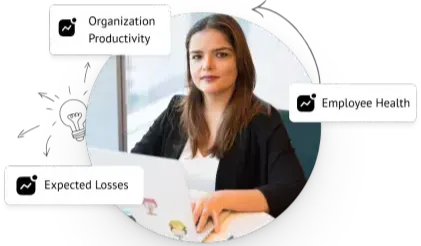





Health insurance is one of the most important insurance covers. It’s the second most bought insurance afterlife insurance in our country. Employers always try to offer the employees to buy group health insurance, as an employee benefits package as it covers all the employees under a single master policy and is available at economical pricing.
Key Takeaways
Universal Relevance: In 2026, industry-agnostic plans mean that whether you are a 10-person tech firm or a 50-person agency, group insurance is accessible. It levels the playing field, allowing startups to offer the same safety net as industry giants.
Building a Benefits Ecosystem: Startups are no longer just “buying a policy”; they are building an ecosystem. Modern 2026 plans include digital-first administration, app-based claims, and integrated wellness programs that reduce HR overhead.
Financial Stability for Youth: Since startups often hire young talent, the average age factor keeps premiums remarkably low. Adding parents to these plans provides a “financial shield” that prevents family medical crises from distracting your team.
The Reputation Quotient: A comprehensive health plan is the ultimate “Employer of Choice” badge. In a tight talent market, startups that prioritize employee welfare through insurance are seen as front-runners for top-tier hires.
Institutional Support: By using a broker, startups gain a “dedicated claims manager.” This prevents the “moral obligation” of founders having to fund employee surgeries personally and ensures professional claim handling during crises.
With the availability of so many group health insurers in India, it has become easy to go for group health insurance for startups. Still, not all startups like the idea to buy group health insurance for their teams. One of the key reasons is the low awareness among startups of various plans available in the market.
Additional Read: How to buy a Group Health Policy?
A reputed intermediary like an insurance broker can help a startup tremendously by offering competitive group health insurance quotes and a personalized servicing experience in comparison to a single insurer.
Importance of group health plan considered by startups:
- Universal Plan: Irrespective of the size of the firm or industry nature, this policy can be taken by most start-ups. No matter if your start-up has 10 people or 50 people, group health insurance is a relevant plan.
- Sense of Security for Employees: Joining a startup is usually considered a risky proposition. Companies can build a trust factor for employees through this as a value/benefit and can also come at par with other companies in the market. It also helps in retaining the workforce. This will also attract good talent to your company.
- Cost-Effective Plan: Being a startup, there is a high probability of having a lot of young employees in the team. So by the virtue of the age factor, a cost-effective plan can be available for the first-timers. There are also options to include parents.
- Investment for long-run productivity: This plan provides a sense of financial stability and peace of mind to your employees which fosters productivity in the organization. This plan facilitates motivation as it provides a financial shield at the time of medical emergencies.
- Good reputation in the market: A comprehensive health plan attracts better talent. Word of mouth is an important factor that can place your startup amongst front runners as a leading employer. Enjoy the perks, valued internally and externally because of this good investment.
Summary: Strategic Importance for Startups
Additional Read: How Group health insurance plans can help small-and-medium-scale businesses in India
Frequently Asked Questions (FAQs)
Q1: Can a startup with only 5–8 employees actually buy a group health policy in 2026?
A) Yes. While the standard IRDAI benchmark is often 20 lives, many insurers now offer “Micro-Group” or “SME-Lite” products. By including spouses and children, even the smallest startup can easily meet the requirements for a comprehensive master policy.
Q2: Will my pre-existing lifestyle conditions (like BP or Thyroid) be covered immediately?
A) Absolutely. One of the standout features of startup group plans is that Pre-existing Diseases (PED) are covered from Day 1. Unlike individual plans that make you wait 2–4 years, your coverage begins the moment your startup activates the policy.
Q3: How do startups save money on taxes through these policies?
A) The premium paid by a startup is a 100% tax-deductible business expense under Section 37(1). For employees, the employer-paid premium is not considered a “taxable perquisite,” making it a tax-free benefit for you.
Q4: Is it possible to include my parents in the startup’s group plan?
A) Yes. Most 2026 plans allow for the inclusion of parents as beneficiaries. This is highly valued by employees, as it provides a safety net for aging parents without requiring them to undergo the rigorous medical screenings of a personal plan.
Q5: What happens to the policy as the startup grows from 10 to 100 people?
A) The policy is designed for scalability. You can add new joiners mid-term via “Pro-rata” endorsements. If your group remains healthy and claims are low, insurers often provide renewal discounts, rewarding the company for its long-term investment in wellness.
About The Author
Mayank Sharma
MBA Finance
He is a professional who brings extensive knowledge and expertise to the field of group health insurance. He has dedicated 7years to helping individuals and businesses navigate the complexities of insurance. Having worked closely with numerous clients and insurance providers, he deeply understands the nuances of group health insurance policies. With a reputation for providing insightful and informative content, he leverages his industry experience to educate readers about the importance of group health insurance and its benefits. Through their articles, Mayank Sharma aims to empower individuals and businesses to make informed decisions about their healthcare coverage, ultimately promoting healthier and more secure communities.