



Micro Health Insurance in India
As of 2021, India has a rural population of 64.61%. Though the country is witnessing the digital revolution, insurance has still not taken a deep root in rural areas for a variety of reasons, and one of them is low income. Micro health insurance is a great way to reach out to economically vulnerable families and provide them with financial security during emergencies.
Key Takeaways
-
Accelerated Protection: The most standout feature in 2026 is the 12-month waiting period for pre-existing illnesses. This is a game-changer for families who need immediate support for chronic conditions that would otherwise be excluded for years in standard plans.
-
Inclusive Eligibility: MHI is designed for all life stages, allowing individuals up to 65 years of age to enter the pool, with the added benefit of lifetime renewability, ensuring the elderly are not left behind as they age.
-
Holistic Healthcare (AYUSH): Recognizing India’s diverse medical preferences, MHI covers not just hospital stays but also AYUSH treatments (Ayurveda, Yoga, Unani, Siddha, and Homeopathy), making it culturally and practically relevant for rural communities.
-
Minimalist Onboarding: To bypass the “digital divide” and literacy barriers, MHI requires minimal paperwork. This “hassle-free” approach is intended to encourage first-time buyers who are often intimidated by complex insurance jargon.
-
The “Face Value” Principle: MHI works by bundling small, periodic contributions into a package that covers medical services at their actual cost, ensuring that low-income households don’t have to negotiate or settle for sub-par care.
Understanding Micro Health Insurance(MHI)
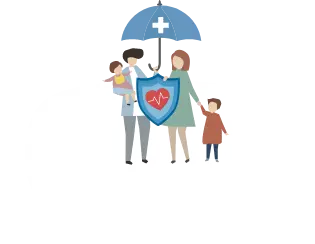
Micro health insurance is a revolutionary concept that provides extensive and affordable healthcare coverage to economically vulnerable people in India. It has potential to revolutionise the way people pay for medical expenses, by providing comprehensive coverage at lower costs than traditional systems. The Mediclaim policy for family packages is tailored according to individual needs and provides essential benefits such as hospitalisation, ambulance service, medication, doctor’s fees, and other related services. Choose the best mediclaim policy for your family, providing comprehensive healthcare coverage and peace of mind for your loved ones.
Features and Benefits of MHI
Micro health insurance policy is the latest development in India’s push towards providing quality and affordable medical coverage to every citizen irrespective of income class.
- Coverage amounts for micro health insurance policies vary from INR 1 lakh to INR 5 lakhs.
- Individuals up to 65 years of age can avail the policy. You can renew the policy every year for a lifetime.
- Only a few insurance companies are given the license to offer micro health insurance plans
- Micro health policies are short-term policies specially designed for those who cannot afford a full-year Mediclaim policy with a larger amount of coverage or have fluctuating income patterns.
- These policies provide coverage for hospitalisation expenses, pre-hospitalisation, and post-hospitalisation expenses. It also includes day-care treatment and AYUSH (Ayurveda, Yoga, Naturopathy, Unani, Siddha, Homeopathy) treatment.
- The waiting period to cover pre-existing illnesses in micro health insurance policies is only 12 months.
- Moreover, these plans also offer access to networks of hospitals with tie-ups which further reduces the burden of exorbitant hospital bills resulting from unforeseen illnesses or accidents.
- The low premiums charged for (MHI) insurance are great advantage that makes it attractive for millions of Indians across country. Affordability is what makes the micro health insurance plan the best mediclaim policy for families of poor.
- On top of this, there is an added convenience factor when considering purchasing these types of policies since they require minimal documentation or paperwork making them highly accessible and hassle-free.
Successful Implementation of MHI Plans in India
Before the late 1990s, access to healthcare in India mostly depended on those who could afford private hospitals or clinics. This put a tremendous financial burden on families and often resulted in avoidable deaths due to a lack of timely medical care. Selecting the best mediclaim policy for your family is crucial to ensure comprehensive healthcare coverage and financial security. Micro health insurance (MHI) has provided a viable solution for low-income households by bundling small monthly contributions for individuals. They can add their families to a basic fitness package that provides payments for medical services at face value.
Summary: Micro Health Insurance (MHI) vs. Traditional Insurance
Conclusion
In India, micro health insurance innovatively shields individuals from significant medical costs, offering coverage for major health expenses. It works on the principle of paying a smaller amount periodically towards premiums, to get a substantial amount of health coverage to bear the costs of healthcare treatments. It assists individuals with limited income and those unable to undertake significant financial risks due to their minimal savings.
With this insurance, individuals can now get quality healthcare without worrying about finances. Government and private insurers, as well as customers, have warmly embraced the concept. Paving the way for more comprehensive coverage across India’s population in the future. By ensuring greater access and affordability to healthcare treatments for all sections of society.
Frequently Asked Questions (FAQs)
Q1: Can I buy Micro Health Insurance if I live in a big city like Delhi or Mumbai?
A) Yes. While MHI is designed with a focus on rural areas, it is available to anyone who meets the income criteria or is looking for a low-cost, basic insurance shell. It is an excellent “starter” policy for those with limited savings.
Q2: Does “Minimal Documentation” mean I don’t need an Aadhaar card?
A) In 2026, an Aadhaar card is still the primary requirement for KYC (Know Your Customer) purposes. However, MHI typically waives the need for complex income certificates, previous medical reports (under age 45), or detailed address history.
Q3: Why do only a few companies offer Micro Health Insurance?
A) The IRDAI (Insurance Regulatory and Development Authority of India) grants special licenses for Micro Insurance to ensure that the companies have a dedicated focus on low-cost products and a strong rural distribution network.
Q4: Is “Day-care treatment” covered in such low-premium plans?
A) Yes. MHI policies in 2026 cover Day-care procedures—treatments like cataracts or dialysis that require less than 24 hours of hospitalization—ensuring that the “Micro” label doesn’t result in “Micro” benefits.
Q5: What happens if I want to increase my cover beyond ₹5 Lakhs later?
A) MHI is a specialized product. If your income increases and you need higher coverage (e.g., ₹10 Lakhs), you would typically need to port your policy to a standard retail health plan. Your 12-month waiting period credit will usually be recognized by the new plan.
About The Author
Mayank Sharma
MBA Finance
He is a professional who brings extensive knowledge and expertise to the field of group health insurance. He has dedicated 7years to helping individuals and businesses navigate the complexities of insurance. Having worked closely with numerous clients and insurance providers, he deeply understands the nuances of group health insurance policies. With a reputation for providing insightful and informative content, he leverages his industry experience to educate readers about the importance of group health insurance and its benefits. Through their articles, Mayank Sharma aims to empower individuals and businesses to make informed decisions about their healthcare coverage, ultimately promoting healthier and more secure communities.