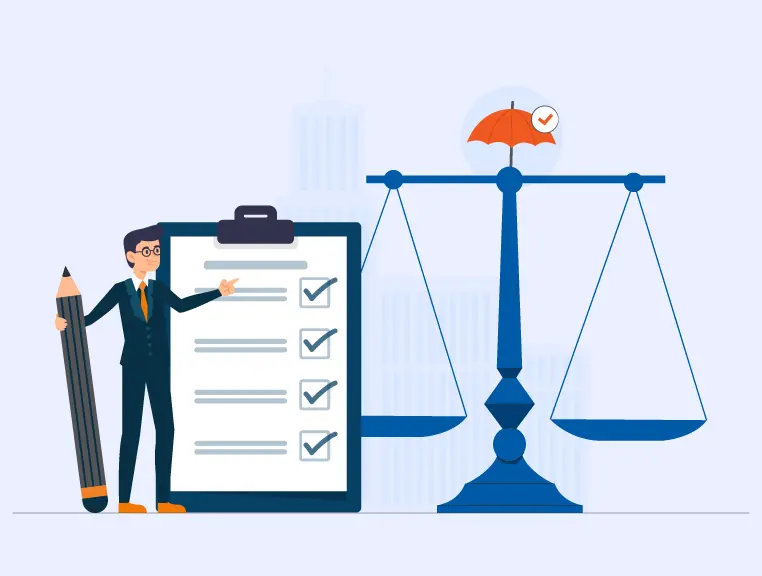




Product liability insurance plays an important role in safeguarding the business from various claims which may arise in respect of its products and services. So, what are the duties of the Insured under Product Liability Insurance?
Key Takeaways
-
Strict Communication Timelines: Policyholders must act quickly when a problem arises, as it is mandatory to inform the insurer immediately or at least within seven days of the loss.
-
Proactive Exposure Mapping: Risk management requires early warnings, making it the clear responsibility of the policyholder to inform the insurer about occurrences which may give rise to claims.
-
Strict Legal Communication Rules: Acting alone can cancel your financial shield; without corporate approval, the insured should not admit liability, settle or compromise, or make promises.
-
Mandatory Defense Cooperation: Securing a payout depends on active participation, meaning it is the duty of the policyholder to cooperate with the product liability insurer during investigations.
-
The Obligation of Reasonable Care: Insurance is never a license for corporate neglect; holding a policy does not mean a business can act carelessly or hide material facts from the insurer.
-
Preserving Subrogation Rights: When external vendors are at fault, companies are contractually bound to cooperate with the insurance company for the recovery of claims from the third party.
Though product liability insurance offers coverage, the policyholder has to discharge some duties under a product liability policy.
Duties are as follows-
- It is necessary for the policyholder to immediately inform the insurer about any loss or at least within seven days of the loss or claim brought against the insured.
- It is the responsibility of the policyholder to inform the insurer about events or occurrences which may give rise to claims
- Without consulting the product liability insurance company, the policyholder should not admit liability, settle or compromise or make any promise with regard to the claim. The insurer can deny claim settlement if you have compromised without consulting the insurance company.
- It is the duty of the policyholder to inform the product liability insurance company about any expenses incurred in connection with the claim
- Just informing the insurance company about the claim is not enough if the policyholder doesn’t cooperate with the insurer. It is the duty of the policyholder to cooperate with the product liability insurer if the latter wants to conduct an investigation
- Because you have product liability insurance, it doesn’t mean you can act carelessly. A product liability insurance safeguards you against loss, however, as the policyholder, it is your duty to take all steps to mitigate risks
- It’s the policyholder’s duty to cooperate with the insurance company for the recovery of claims from the third party
Important note-
It is necessary to note that the purpose of a product liability insurance policy is to shield the policyholder against claims that may arise from your products or services. However, in any situation, the policyholder can’t act carelessly or hide material facts from the insurer. In the case of concealment of information, the insurer can refuse to settle the claim.
Read More: Who are covered under Directors & Officers (D&O) Liability Insurance Policy?
Case:
Established in 2010, L.J Tractors achieved a big name in the industry of manufacturing tractors, especially for farmers. The company has stores throughout the country from where it is selling tractors directly to people.
However, last year, the company faced a major brunt when one of its buyers filed a case against it. The user injured himself while changing the tire installed on the tractor. It was a brand-new truck whose tire busted. Though the tractor was fitted with a safety switch, the accident happened and injured the person.
The buyer filed a case against L.J. Tractors and asked for compensation for the loss or injury caused to him. In this case, L.J. Tractors had product liability insurance which they bought a few years ago to cover such cases.
Read More: What is covered under directors and officers’ Liability Insurance Policy?
Summary Table: Underwriting Compliance and Insured Duties Matrix
| Dimension of Insured Duty | Technical Operational Mandate | Compulsory Actions Required | Regulatory & Policy Penalty for Breach | Strategic Corporate Impact |
| Immediate Claim Notification | Inform the insurance company immediately or within seven days of the loss or claim. | Provide full details of active lawsuits, regulatory notifications, or customer injury alerts. | Outright denial of claim settlement due to late reporting or delayed defense windows. | Ensures the legal defense team can act within statutory limits. |
| Operational Occurrence Alert | Log potential claim triggers about events or occurrences which may give rise to claims. | Document and report field engineering failures, unexpected component breaks, or near-miss events. | Underwriter can void coverage if pre-existing knowledge of a hazard is hidden. | Enables proactive risk profiling before formal litigation begins. |
| Admission & Settlement Restraint | Never admit liability, settle or compromise or make any promise without approval. | Route all third-party demands, refund offers, and corporate correspondence through the insurer. | The insurer can refuse to settle the claim if you have compromised without consulting them. | Protects corporate liquidity from ill-advised admissions that destroy the legal defense. |
| Investigative Synergy | Provide complete operational transparency if the insurer wants to conduct an investigation. | Deliver blueprints, batch testing logs, quality control histories, and access to key engineers. | Immediate rejection of claim validity for non-compliance with policy provisions. | Builds a legally sound defense to counter invalid or fraudulent customer lawsuits. |
| Risk Mitigation Duty | Maintain proper professional care; do not act carelessly or hide material facts. | Execute product recalls for known defects and strictly enforce standard factory safety protocols. | Automatic rejection of the claim if the insurer finds any operational discrepancy. | Keeps the business running safely while proving corporate compliance to auditors. |
| Subrogation Assistance | Fully cooperate with the insurance company for the recovery of claims from third parties. | Subpoena raw component suppliers, preserve sub-assembly records, and transfer recovery rights. | Loss of policy protection and direct personal exposure to the financial claim. | Helps the insurer recover money from negligent third-party vendors. |
Though the product liability insurance company had to pay compensation, L.J Tractors had some duties to discharge which it did successfully=
- As soon as the claim was brought, L.J Tractors immediately informed the insurer
- When the other party asked for the compensation, without consulting the insurer, L.J Tractors didn’t settle any claim or offer compensation to the other party
- As the claim happened due to some technical fault in the tractor, the insurer decided to conduct an investigation. And L.J Tractors fully cooperated with the insurer
- The insurer found out that the loss didn’t happen because of the fault in L.J Tractors. But, due to errors or mistakes of the third party. It was the tractor company’s duty to cooperate with the insurance company to recover a claim from the third party.
Just because, L.J. Tractors has product liability insurance, it doesn’t mean the company can act carelessly. It is the duty of the tractor company to take all steps and measures to mitigate the loss. In case the insurer finds any discrepancy on the part of the tractor company while discharging its duties, the insurance company has all rights to reject the claim.
Frequently Asked Questions (FAQs)
1. What are the primary duties of the insured under a product liability insurance policy?
A) The duties of the insured under a product liability insurance policy are strict contractual requirements designed to preserve your coverage. The policyholder must notify the underwriter immediately or within seven days of the loss or claim, report any field events that could cause a future lawsuit, and fully cooperate with all corporate investigations. Additionally, the business must act responsibly, avoid hiding material facts, and never admit fault or negotiate a settlement without the insurer’s written approval.
2. Can an insurance company deny a product liability claim if the business settles with the customer independently?
A) Yes. A fundamental rule of commercial liability insurance states that a business owner should not admit liability, settle or compromise or make any promise with regard to the claim without consulting the carrier. The insurance company retains the sole right to defend and negotiate claims. If your business pays a customer or admits fault independently, you compromise the insurer’s legal defense, and the underwriter has the right to deny the claim settlement entirely.
3. What constitutes a hidden event or occurrence that must be reported to the insurer?
A) Businesses are contractually required to inform their insurer about events or occurrences which may give rise to claims. This includes situations like a consumer notifying your team about a minor injury caused by a product defect, a batch of heavy equipment failing a critical safety inspection after delivery, or an unexpected component failure in the field. Even if a formal lawsuit hasn’t been filed yet, reporting these early flags ensures your insurer can prepare a timely, effective defense.
4. Does having product liability insurance protect a business if it operates carelessly?
A) No, an insurance policy is not a license to bypass safety standards. While it shields you against unforeseen losses, it remains your operational duty to take all steps to mitigate risks and maintain high product safety standards. If an underwriting investigation proves the business acted with gross negligence or willfully ignored manufacturing defects, the insurance company has every right to reject the claim and pull all financial protection.
5. How does the duty to cooperate affect third-party component supplier investigations?
A) When a product failure is caused by a defective component supplied by an external vendor, the insurer will look to recover their losses from that third party through subrogation. It is the insured company’s duty to cooperate with the insurance company for the recovery of claims from the third party. This means you must provide all purchase records, supply contracts, and engineering details needed to hold the negligent vendor legally accountable for the failure.
6. What are the financial consequences of concealing material facts from a product liability underwriter?
A) Concealing product risks, previous recalls, or safety failures will severely compromise your business insurance shield. In any situation, a policyholder can’t act carelessly or hide material facts from the insurer. If the underwriting team discovers a business hidden product defects during a claims investigation, the insurance contract becomes voidable. The insurer can refuse to settle the claim, leaving the company completely exposed to all litigation and settlement costs.
About The Author
Rajesh Mehta
MBA Finance
Rajesh has become a distinguished expert in liability insurance with over 8 years of extensive experience in the insurance industry. As a dedicated writer for SecureNow, he crafts insightful and informative blogs and articles that help businesses and individuals understand the nuances of liability insurance, from policy details to industry trends. Throughout his career, Rajesh has developed a profound knowledge of various types of liability coverage, including professional, general, and product liability insurance. Their expertise enables them to break down complex topics into accessible content, making it easier for readers to make informed decisions about their insurance needs.