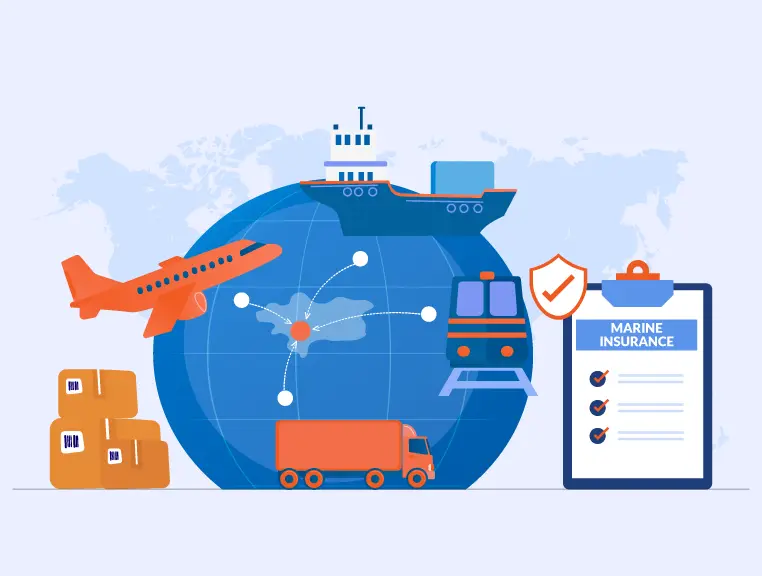

Marine Insurance

Sidebar_image1 Sidebar_image1 Sidebar_image1
1 3 2 4 5 6
Sidebar_image1 Sidebar_image1 Sidebar_image1
In insurance, “subrogation” means the company’s right to pursue a responsible third party for damages to the insured. Simply put, it means you give the insurance company the legal right to sue the person who caused the accident. This allows them to recover the money paid to you for the damages. The loss or damage could be caused by anyone involved in marine trade, including carrier, cargo owner, or other parties.
Subrogation is an important tool for insurers to help recover the costs associated with claims paid out to their policyholders. Subrogation allows insurance companies to recover costs from third parties, reducing the overall amount paid out and keeping premiums lower.

Key Takeaways

  • Stepping Into Your Shoes: Once the insurer pays your claim (for example, for cargo damaged by a port authority’s crane), they legally “become” you in the eyes of the law. They can now use their massive legal resources to sue the port authority directly.

  • The “Notice of Subrogation”: This is the opening bell of the legal process. The insurer notifies the third party that the debt has shifted from you to them. In 2026, this often leads to out-of-court settlements between insurers.

  • Deductible Recovery: One of the biggest benefits for you is that if the insurer wins the case, the first part of the recovered money often goes toward refunding your deductible. This means you might eventually lose zero money on the incident.

  • Accountability & Safety: Subrogation discourages negligence in the shipping industry. Carriers and port authorities are more likely to maintain high safety standards if they know an insurance company’s legal team will pursue them for every rupee lost.

  • Waivers and Limitations: Be aware of “Package Limitations” (like the Hague-Visby Rules), which often cap how much an insurer can recover from a carrier. If you waive subrogation for a partner, your insurer may charge a higher premium to account for the lost recovery opportunity.

How Subrogation Works in Marine Insurance

In marine insurance, subrogation lets the insurer sue a third party responsible for covered loss or damage. After paying a claim, the insurer can legally seek reimbursement from liable third parties for the claim costs.
As the first step of the subrogation process, the insurer issues a notice of subrogation to the third party responsible for damage. This notifies them that the insurer has settled the claim on behalf of the insured and will seek reimbursement. The third party will then have the opportunity to negotiate a settlement with the insurer or to dispute the claim.
If the third party is liable for loss or damage, the insurer can recover the full claim cost, including legal fees. If the third party disputes the claim or legal costs are high, the insurer may not recover all claim costs.

Example of Subrogation

In marine insurance, a typical example of subrogation occurs when a third party’s negligence causes damage or loss to a cargo ship. For instance, if a cargo ship is damaged due to the negligence of a port authority or shipping company, the cargo owner can file a claim with their insurer to recover the damage costs.
If the insurer approves the claim and pays out the policyholder, the insurer then has the right to pursue subrogation against the negligent third party. The insurer has the option to sue the third party to recoup claim costs, including cargo value and related expenses.
If the third party is found responsible for the loss or damage, the insurer can recover the full cost of the claim through subrogation. Subrogation helps maintain affordable premiums for policyholders and ensures accountability for responsible parties.
Subrogation is a crucial element of marine insurance, as it helps ensure that insurers are able to recover the costs of claims and maintain their financial stability. Without subrogation, insurers would be unable to recover the costs of claims and would have to pass these costs on to their policyholders in the form of higher premiums.

Subrogation Process for the Insured

Subrogation is a legal process that insurance companies use to recover the money they paid out in a claim from a third party who is responsible for the loss or damage. Once an insurance company pays out a claim to its policyholder, it takes on the right to sue the third party responsible for the loss and recover the money paid out.
The insured is usually not directly engaged in the subrogation process, as the insurance company handles it. However, the insured may need to provide information or cooperate with the insurance company. If the insurance company recovers the paid amount, the insured may get reimbursed for their deductible costs. Insured parties must understand subrogation’s impact on their legal rights during the claim process. This can result in a faster and more complete recovery of the losses suffered by the insured. Sometimes, if the insurance company is successful in recovering the amount of the claim, it will reimburse its policyholder for any deductible paid and keep any additional funds recovered.
The subrogation process can provide peace of mind for insureds by allowing them to recover losses and reducing their financial burden. Insureds can ensure fair compensation and protection of their interests by seeking reimbursement from responsible third parties.

Benefits of Subrogation

Subrogation offers several benefits for both the insurance company and the insured party:
Subrogation allows the insurance company to recover the costs it has incurred in paying out a claim. This helps to keep insurance premiums affordable for policyholders by preventing an increase in the number of claims.
Subrogation helps to improve the rights of insured parties by enabling them to recover losses and damages they would otherwise not be able to. By ensuring full compensation for any loss or damage suffered, this active voice promotes fairness and responsibility, holding responsible third parties accountable for their acts. It also prevents fraudulent claims, as the insurance company investigates and recovers funds if the claim is fraudulent. Moreover, subrogation promotes safer behavior as parties take precautions and avoid risks, knowing they may be held responsible.

Waivers of Subrogation

A waiver of subrogation is when someone gives up their right to pursue a claim against another party for damages. For example, if the shipper’s cargo is damaged, the insurer can waive its right to seek compensation from the carrier.
Subrogation waivers allocate risk in construction contracts, benefiting the parties involved in the project by limiting liability. Insureds can ensure fair compensation and protection of their interests by seeking reimbursement from responsible third parties.

Summary: Subrogation in Marine Insurance

Feature Description 2026 Practical Benefit
Legal Right The insurer’s right to sue the negligent third party. Recovers claim costs from the party actually at fault.
Trigger Point Occurs only after the claim is paid to the insured. Ensures you get your money first, before the legal battle starts.
Recoverable Costs Cargo value, legal fees, and related expenses. Reimburses the insurer’s total “out-of-pocket” loss.
Deductible Refund The insured may get their deductible back if recovery is successful. Can result in a 100% financial recovery for the policyholder.
Premium Impact Successful recoveries reduce the insurer’s net loss. Helps maintain lower premium rates for the entire trade sector.
Waiver Option Relinquishing the right to pursue a specific party. Useful for long-term partnerships or construction contracts.

Key Things to Remember about Subrogation in Marine Insurance

Some key things to remember about subrogation in marine insurance:
  • Subrogation permits insurers to sue third parties after compensating the policyholder for the claimed amount.
  • Subrogation is crucial in marine insurance due to valuable goods and multiple parties involved in shipping.
  • Marine insurance policies often include the right of subrogation.
  • The insured can waive the right of subrogation, and in such cases, the insurer may charge a fee.
  • Laws like the ‘package limitation’ may restrict the right of subrogation, limiting carrier liability for cargo loss/damage.
  • In marine insurance, subrogation lets the insurer sue a third party responsible for covered loss or damage.
  • Insurers may choose to forgo subrogation if they project that the costs of recovery will exceed the loss amount or if the third party is insolvent.
  • An insurance company with a well-defined subrogation act can offer a policy at a lower premium.

Frequently Asked Questions (FAQs)

Q1: Do I have to pay for the legal fees if my insurer sues the third party?

A) No. Once you have received your claim payout, the insurer handles all legal costs and investigations. They are pursuing the money to reimburse themselves, so the financial risk of the lawsuit is entirely theirs.

Q2: Can I sue the third party myself after I have already received an insurance payout?

A) Generally, no. Once the insurer pays your claim, the legal right to sue for that specific loss transfers to them (subrogation). You cannot “double-dip” by getting paid by the insurance and then winning a separate court case for the same damage.

Q3: What happens if the third party is found only 50% responsible?

A) The insurer will only be able to recover 50% of the claim amount. Subrogation follows the laws of liability; the insurer can only recover what you would have legally been able to recover yourself.

Q4: Is subrogation mandatory in every marine claim?

A) Insurers have the right, but not the obligation, to pursue subrogation. If the responsible third party is bankrupt (insolvent) or if the legal fees to sue them would be higher than the actual loss, the insurer may choose to forgo the process.

Q5: Will my “No Claim Bonus” be affected even if the insurer recovers the money?

A) This varies by policy. In many 2026 marine policies, if the insurer successfully recovers the full amount from the third party, the claim might not be counted against your record, helping you keep your renewal discounts.

About The Author

Simran

MBA Insurance and Risk

With extensive experience in the insurance industry, Simran is a seasoned writer specializing in articles on marine insurance for SecureNow. Drawing from 5 years of expertise in the field, she possesses a comprehensive understanding of the complexities and nuances of marine insurance policies. Her articles offer valuable insights into various aspects of marine insurance, including cargo protection, hull insurance, and liability coverage for marine-related risks. Renowned for their insightful analysis and informative content, Simran is committed to providing readers with actionable information that helps them navigate the intricacies of marine insurance with confidence.